Drafted — not technically validated
Record revision 1 · Four infrared missiles on a tracked MT-LB with a range-only radar: a short-range, low-altitude SAM meant mainly for helicopters.
Real-world system as described in public sources. Figures vary between variants and sources, so differences are shown beside the number they affect. Simulator implementations may differ.
SA-13 Gopher · 9K35 Strela-10
- Role
- Short-range, low-altitude SAM vehicle, mainly against helicopters [1]
- In service
- Accepted 16 May 1976 [1]
- Mobility and deployment
- Tracked, modified MT-LB; some variants swim on floats [1]
- Radars
- 9S86 “Snap Shot”: Range-only radar on the 9A34 launcher, 450 m–10 km
- 9S16 “Flat Box-B”: Passive radar detector on the 9A35 launcher: emits nothing, 360° coverage
- 9S80 “Dog Ear” (F/G band): Separate acquisition radar on an MT-LBU, 80 km
- RWR symbol
- None
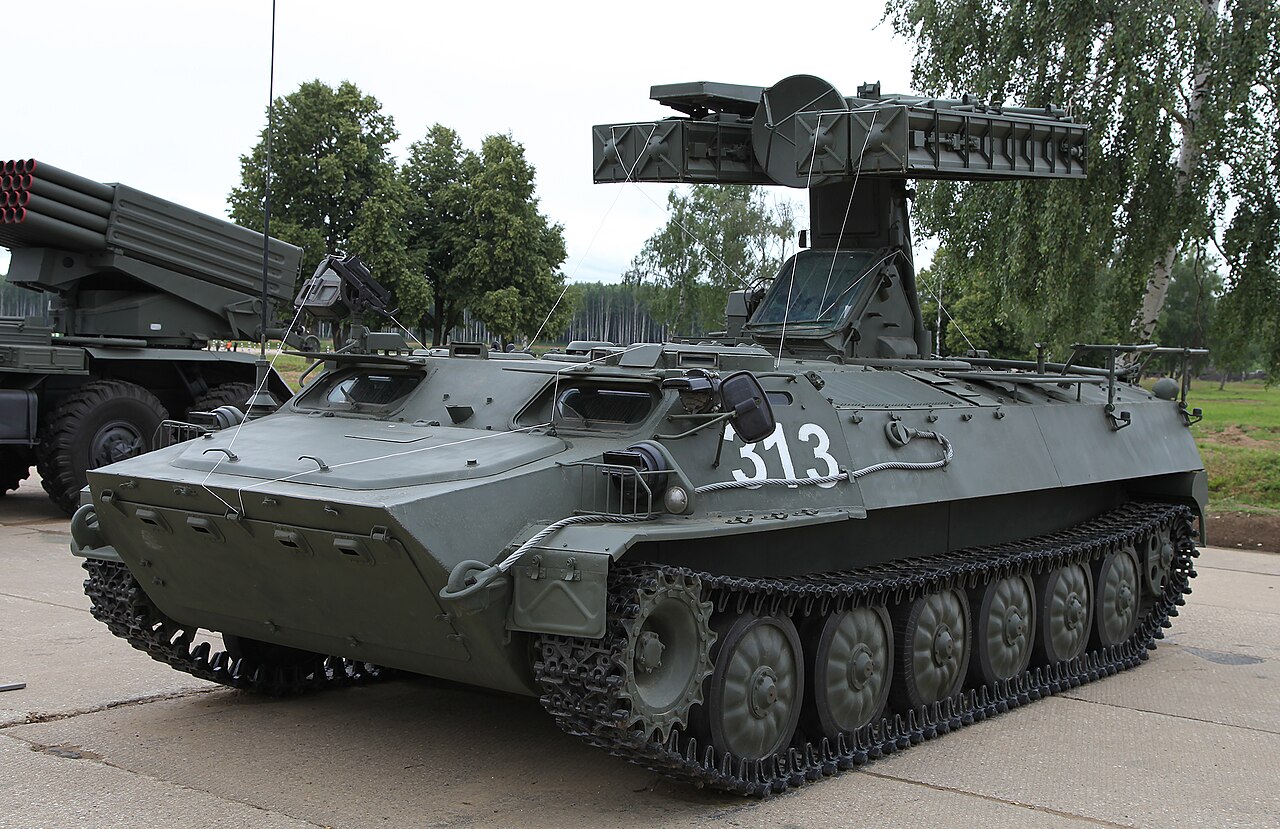

Figure 1 — SA-13 Gopher engagement limits (side view)
9M37 missile: 800 m–5 km range, 10–3,500 m altitude [1]; the 1998 Army handout gives 7 km and a 10 m minimum [2]. The shaded region combines the published minimum and maximum range, treated as slant range from the launcher, with the minimum and maximum altitude. Real launch zones are smaller and change with target speed, aspect and altitude. Dashed edges mark limits the cited sources do not give. Other SAMs in this section are drawn faintly for comparison, labelled by SA number. Each scale prints its vertical exaggeration.
Overview
The 9K35 Strela-10, NATO reporting name SA-13 Gopher, is a highly mobile, short-range SAM that is visually aimed and uses optical/infrared guidance. It is mainly meant for low-altitude threats such as helicopters. It succeeded the 9K31 Strela-1 (SA-9SA-9 Gaskin Threat systemFour infrared missiles on a BRDM-2 scout car with a passive detector: nothing for a radar warning receiver to see, short range.) and can also fire that system’s missiles. [1] After disappointing trials in 1973–74 it was accepted into service on 16 May 1976. [1]
The vehicle
It rides on a modified MT-LB tracked vehicle, with more room for equipment and reloads than the SA-9’s BRDM-2. [1] The 1998 Army handout describes four container-launcher boxes on a pivoting pedestal with a range-only radar, and four launcher vehicles in each SAM platoon of the air defenceAir defense GlossaryJoint terms: Defensive measures designed to destroy attacking enemy aircraft or missiles in the atmosphere, or to nullify or reduce the effectiveness of such attack. battery. [2] Two launcher versions exist: the 9A34 with the 9S86 Snap Shot range-only radar between the missile pairs, and the 9A35 with the 9S16 Flat Box-B passive detector. A separate MT-LBU can carry the 9S80 Dog Ear acquisition radar. [1]
How it engages
The 9M37 missile is about 2.2 m long, weighs 40 kg and carries a 3.5 kg warhead at up to nearly MachMach number GlossaryFlight: The ratio of the true airspeed to the speed of sound. All compressibility effects depend on it. 2. [1] Its two-channel seeker combines a cooled photocontrast channel with an infrared channel, and the photocontrast channel lets it engage head-on. [1] The Army handout lists passive, cooled infrared guidance and all-aspect capability. [2] The system was chosen partly because it reacts quickly and is immune to heavy radio-frequency jammingElectromagnetic jamming GlossaryJoint terms: The deliberate radiation, reradiation, or reflection of electromagnetic energy for the purpose of preventing or reducing an enemy's effective use of the electromagnetic spectrum, and with the intent of degrading or…. [1]
Envelope
The 9M37 intercepts targets at 800 m to 5 km (0.4–2.7 NM) and 10 to 3,500 m (33 to 11,500 ft). Those figures bound the intercept zone: launch distances are longer against an approaching target and shorter against a receding one. [1] The 1998 Army handout gives a 7 km range and a 10 m minimum engagement altitude. [2] Figure 1 uses 0.8–5 km and 10–3,500 m.
On the radar warning receiver
The missile homes passively. The Snap Shot and Dog Ear radars emit, but the cited AN/ALR-67 table gives no symbol for either, so this page lists none.
History
On 20 February 1988 a Cuban Strela-10 shot down a South African Mirage F1AZMirage F1 AircraftA swept-wing French fighter sold to eleven countries and flown in many wars. over southern Angola. In the 1991 Gulf War, at least two US A-10AA-10 Thunderbolt II AircraftThe Warthog: a straight-wing, armoured close air support jet built around the 30 mm GAU-8 cannon. losses on 15 February are believed to have been Strela-10s, and a Strela-10 hit a US Air Force A-10 over Kosovo on 11 May 1999. [1] A published video shows a Strela-10 missile fired at a Russian Ka-52 helicopter being decoyed by flaresDecoy flare GlossaryWeapons: A flare dispensed from a launcher on the aircraft and fired during evasion tactics when the aircraft is threatened by enemy heat-seeking missiles.. [1]
Figure 2 — SA-13 Gopher on a radar warning receiver
No symbol. The missile homes passively on infrared. The Snap Shot and Dog Ear radars do emit, but the cited AN/ALR-67 table lists no symbol for either.
Figure 3 — SA-13 Gopher unit composition
Schematic symbols for each element, drawn from the composition given in [2]; not vehicle outlines and not to scale.
Sources
- 9K35 Strela-10. Wikipedia (secondary source). https://en.wikipedia.org/wiki/9K35_Strela-10 (accessed 2026-10-27).
- Heavy/Light Opposing Forces Organization and Equipment (student handout, file 4G 3017-6). US Army Aviation Center, Fort Rucker, January 1998. https://man.fas.org/dod-101/sys/land/row/avoac-opfor-sh.htm (accessed 2026-10-27).
Wikipedia articles are secondary sources and can change; they are cited with the date they were read. The Heatblur manual describes the DCS F-14's AN/ALR-67, not every aircraft's radar warning receiver.